
Feature Lighting and LED Strip Installation
Cove lighting, under-bench strip, stair and joinery lighting, and outdoor feature lighting. Done properly it makes a room. Done badly you see the dots, the joins and a driver that nobody can get to when it fails.
Where Feature Lighting Actually Works
Feature lighting is at its best when you see the light and not the fitting. The places that consistently deliver that are:
- Cove and shadowline lighting washing a ceiling or wall, which lifts a room without adding a single visible fitting
- Under-bench and under-cabinet strip in a kitchen, which is genuinely useful task lighting rather than decoration
- Inside joinery, wardrobes, display shelving and bar areas
- Stair nosing and step lighting, which is a safety feature that happens to look good
- Under handrails, in pergolas and along retaining walls outside
- Behind a bedhead, a mirror or a TV wall as indirect light
- Uplighting on a feature wall, a void or a stairwell in the two-storey homes common through Greenwith and Golden Grove
The Things That Make Strip Lighting Look Cheap
Strip lighting either looks built-in or it looks stuck on, and the difference comes down to a handful of decisions made before installation.
Visible dots are the most common giveaway. That happens when a low-density strip is mounted too close to the surface it's lighting. Higher LED density and a diffuser, or simply more depth in the channel, fixes it.
The second is the aluminium channel. Strip mounted directly to timber or plasterboard has nowhere to lose its heat, which shortens its life and can discolour the surface. A channel gives you heat dissipation, a clean edge and a diffuser in one part.
The third is colour consistency. Cheap strip drifts in colour along its length and between reels, so two runs in the same kitchen end up visibly different. Buying decent product from one batch avoids a problem that can't be fixed afterwards.
The fourth is the join. Every soldered or clipped join is a potential failure point and a visible dark spot. Planning the runs to minimise joins is part of the design, not an afterthought.
Put the Driver Somewhere You Can Reach It
This is the single most common thing we come back to fix on someone else's work. LED strip runs on a low-voltage driver, and drivers fail. Not often, but they do, and they fail long before the strip does.
If that driver has been buried above a plasterboard ceiling or sealed inside a bulkhead, replacing it means cutting the ceiling open. We have done that job for people more than once and nobody enjoys paying for it.
We put drivers in accessible locations. In a cupboard, above an accessible ceiling hatch, in a service void, or behind a removable panel. It takes slightly more planning at rough-in stage and it saves a genuinely miserable repair later.
Planning It Into a Renovation
Feature lighting is much cheaper and much better when it's designed in before the plaster goes up. Cove details need to be set out with the ceiling. Joinery lighting needs the cabinetmaker to allow for the channel and the cable entry. Stair lighting needs cable in before the treads go on.
If you're renovating, get us in at rough-in stage. We'll mark up where the runs and the drivers go, coordinate with your builder and cabinetmaker, and come back for the fit-off once the surfaces are finished.
Retrofitting into a finished space is possible and we do it regularly, but the options narrow. Under-bench and inside-joinery runs are usually straightforward. A full cove detail in a finished ceiling generally isn't.
What Drives the Price
We aren't going to publish a headline figure that turns into something else once we're on site. What we'll do is tell you exactly what moves the number, so you can see where your job is likely to sit before you call.
- Total run length and the number of separate runs
- Whether it's going into new work at rough-in stage or being retrofitted into a finished space
- The strip and channel quality, which varies enormously and shows
- Whether the runs are switched together or separately, and whether they dim
- Driver placement and how accessible it needs to be made
- Whether the location is indoor or outdoor, since outdoor needs properly rated product
Quotes are free, fixed, and state what's included and excluded. If we think something might turn up once we open things up, you hear about it before we start rather than on the invoice.
Call 0435 006 420Where We Do This Work
We service all of Adelaide. Being based in Wynn Vale, these are the suburbs we're in most often and where we can usually get to you fastest. Pick yours for local detail, and if you are somewhere else in the metro area, just call and ask.
Common Questions About Feature Lighting & LED Strip
It varies more than most electrical work because the scope varies so much. A single under-bench run in an existing kitchen is a small job. Cove lighting through a whole living area with dimming and multiple circuits isn't. The two biggest factors are run length and whether we're working into new construction or retrofitting.
Low LED density, or the strip is mounted too close to the surface it's lighting. Higher density strip, a deeper channel, or a diffuser fixes it. It's a decision made before installation, not something that can be corrected afterwards.
Yes, but the strip, the driver and the dimmer all have to be compatible. It isn't something to add later by swapping a switch. Tell us at quote stage if you want dimming so we specify the right combination from the start.
Somewhere accessible. Drivers fail eventually and if one is buried above a sealed ceiling, replacing it means cutting the ceiling open. We put them in cupboards, above access hatches, or behind removable panels. It's the detail that separates a good install from an expensive future problem.
Yes. Pergolas, handrails, retaining walls, steps and garden beds. It has to be properly rated product and outdoor-suitable cable, not indoor strip with silicone over it, which is a shortcut that fails in the first wet winter.
Often, yes. Under-bench, inside-joinery and wardrobe runs are usually straightforward in an existing home. Full cove details in a finished plaster ceiling generally aren't worth the disruption. We'll tell you which category your idea falls into.
Related Services
Downlights & LED Lighting
Halogen out, proper LED fittings in. Cooler ceilings, lower bills, and insulation that can sit where it should.
Read moreRenovation Electrical
Kitchens, bathrooms, extensions and whole-home renovations. Rough-in, fit-off, and decisions made before the plaster.
Read moreElectrical for Builders
A subcontractor who turns up on the day, does the rough-in clean, and doesn't hold up your next trade.
Read moreRecent Work
Real Feature Lighting & LED Strip jobs from around Adelaide, with photos and what was actually involved.
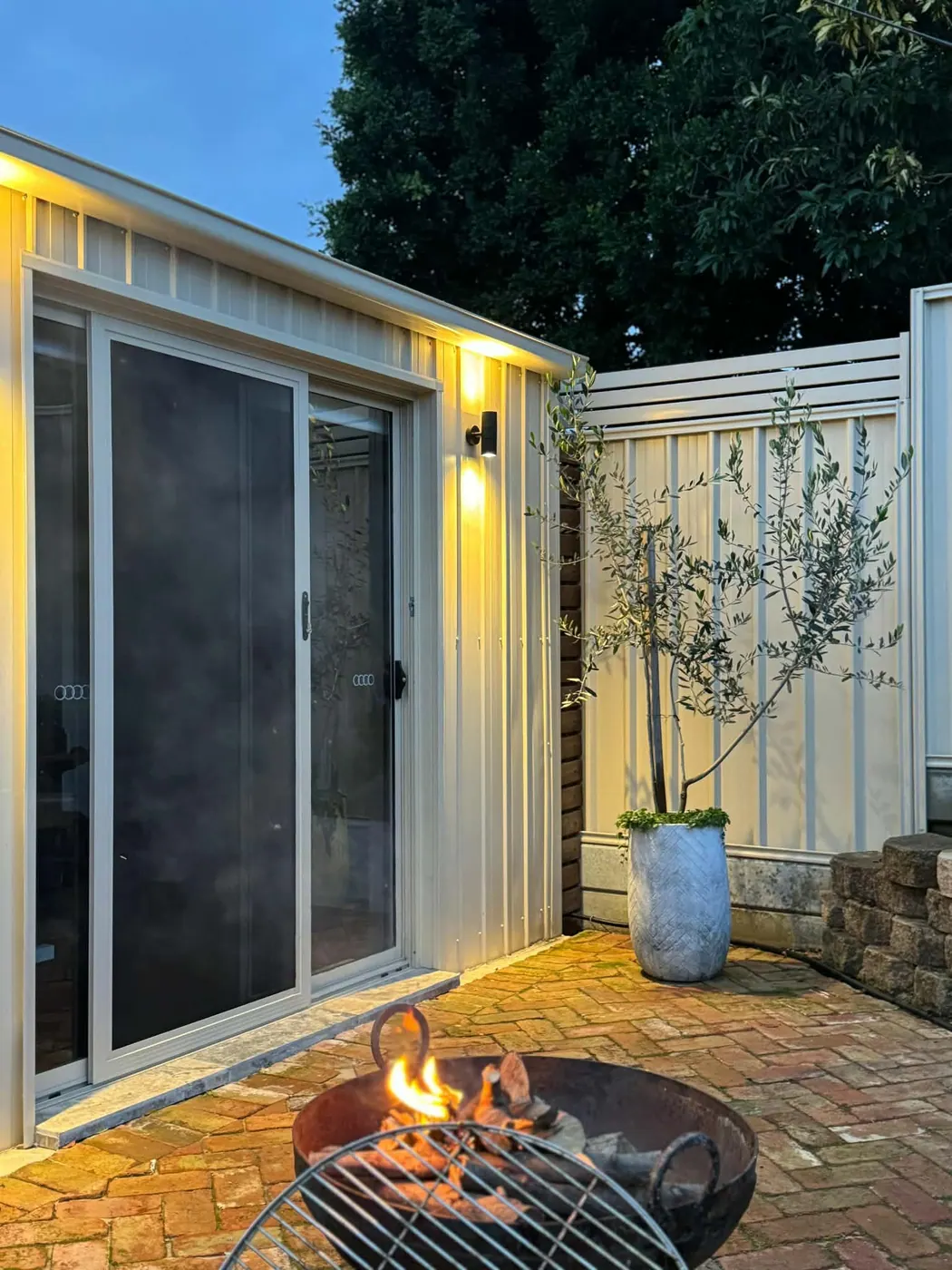
Outdoor Feature Lighting in Redwood Park
Four different types of outdoor fitting doing four different jobs, including sensor-operated lights on the shed that come on as you walk towards it.
Read the job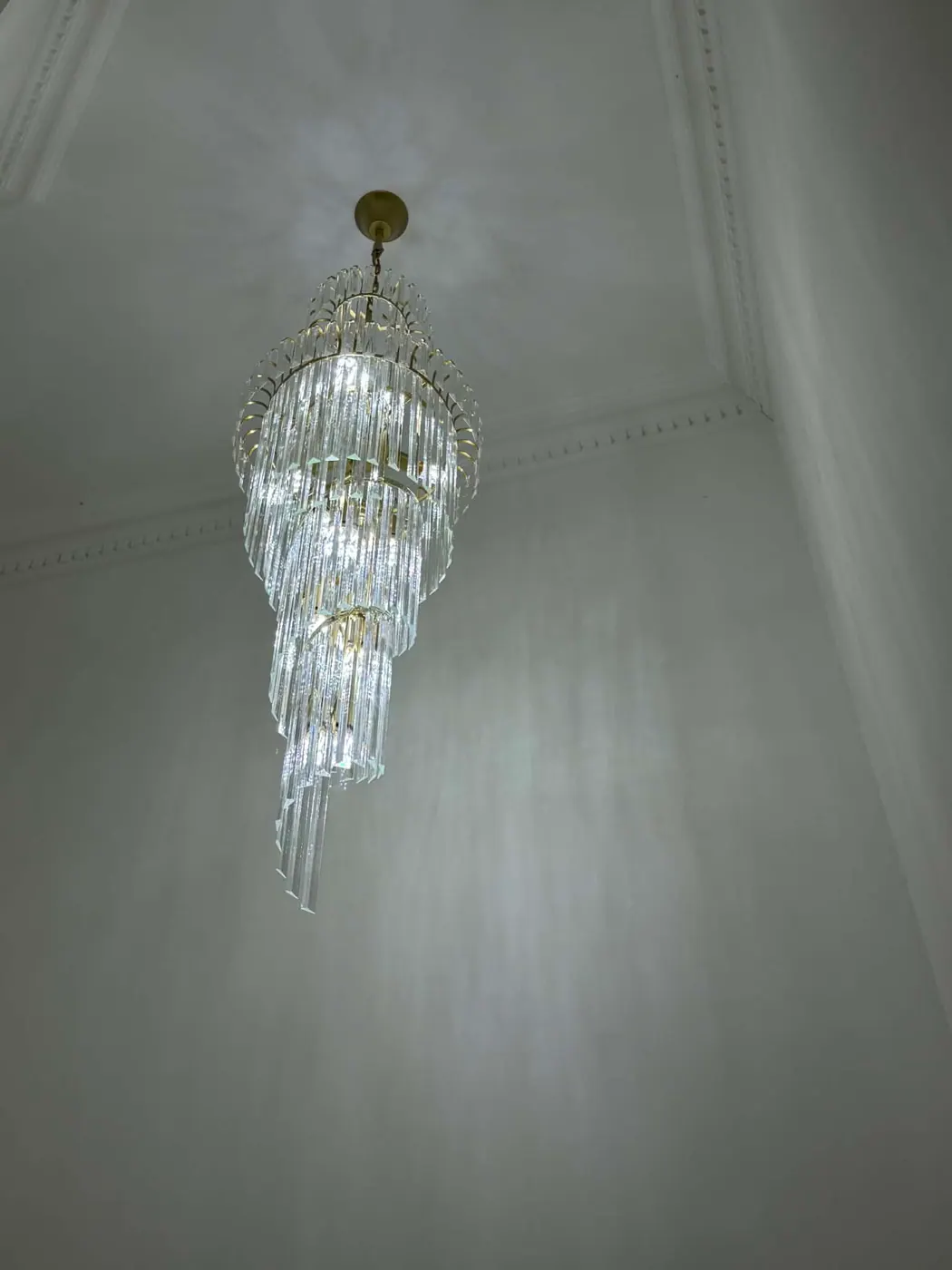
Wall Sconces and a Stairwell Chandelier in Redwood Park
Dimmable sconces in a master suite and a chandelier over a stairwell. One is a dimming problem, the other is an access problem.
Read the job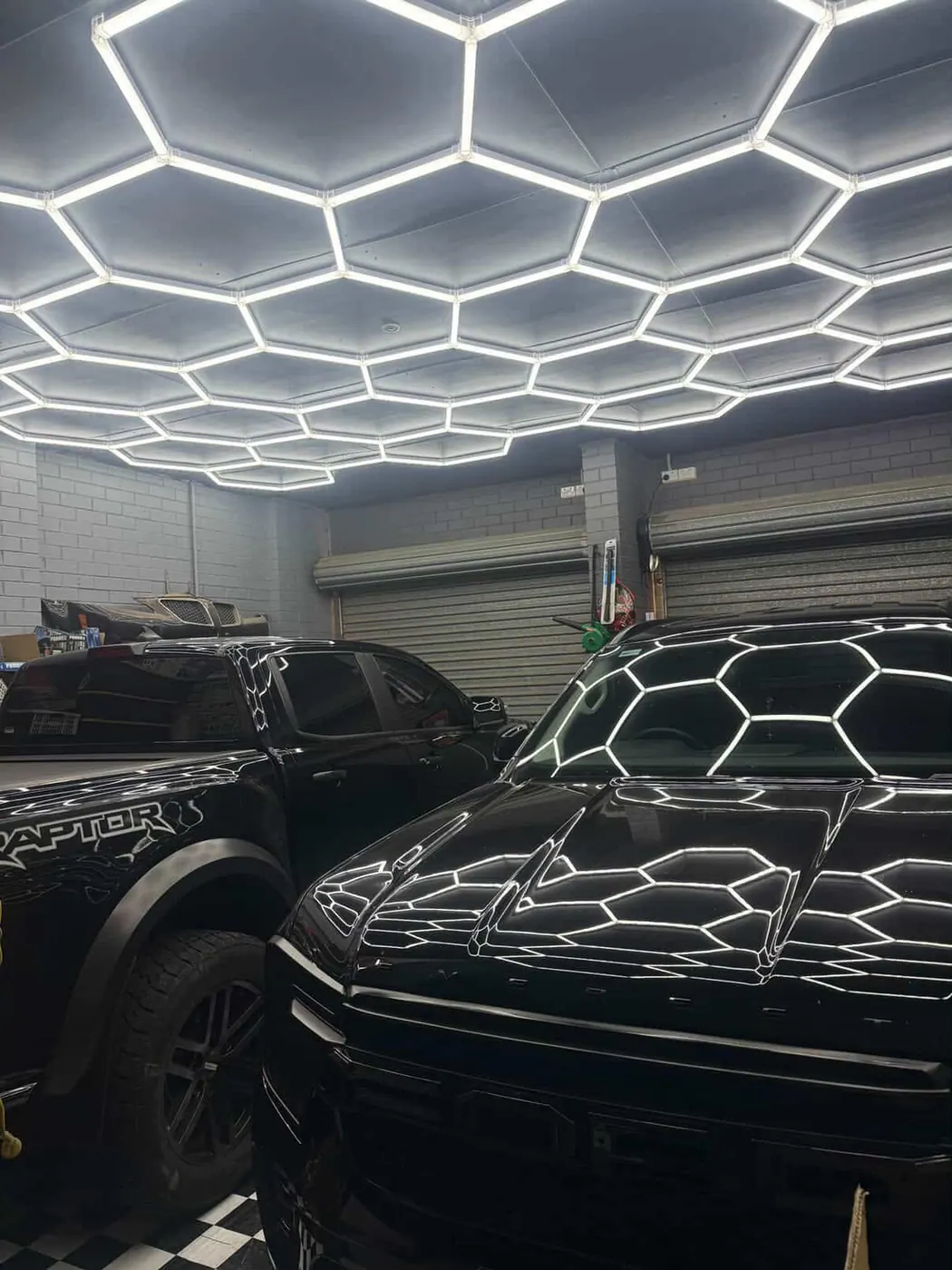
Hex LED Lighting in a Fairview Park Garage
Hex LED panels across a garage ceiling. When your job is spotting swirl marks in black paint, ordinary garage lighting actively hides them.
Read the jobGet a Free Quote
Owner-operated, licensed and insured. Justin quotes the job, does the job, and answers the phone afterwards.