
Safety Switches and RCD Testing
A safety switch is the only thing in your house designed specifically to stop a shock from killing someone. It's also a mechanical device that can fail silently. We install them, and we test them properly with a calibrated instrument rather than just pressing the button.
What an RCD Actually Does
An RCD, or safety switch, constantly compares the current flowing out on the active with the current returning on the neutral. If those don't match, current is escaping somewhere it shouldn't be, which usually means through a damaged appliance, a nicked cable, or a person.
When it detects that imbalance it disconnects the supply in a fraction of a second. That speed is the whole point. It's the difference between a nasty jolt and a fatal one.
A circuit breaker doesn't do this. A breaker protects the wiring from overload and short circuit. It will happily sit there while current flows through a person to earth, because that current is well below what it is watching for. This is the single most common misunderstanding we come across, and it's why a board full of breakers and no RCDs isn't protected.
Why the Test Button isn't Enough
The test button on the board proves the mechanism moves. It doesn't tell you whether the device trips fast enough to protect someone, and that's the number that matters.
Proper testing uses a calibrated instrument to inject a known fault current and measure the actual trip time in milliseconds against what the standard requires. An RCD that trips, but takes too long doing it, passes the button test and fails the real one. You would never know from looking.
We do the ramp test as well, which finds the current level at which the device actually operates. That picks up RCDs that have drifted out of tolerance as they have aged, which is common in devices that have been sitting in a board for twenty years.
You get a written report with the measured trip times for each device, which is the part that matters if you're a landlord, run a workplace, or need to demonstrate compliance to an insurer.
How Often It Should Be Done
For an owner-occupied home, pressing the test button every few months and having the devices properly tested every couple of years is a sensible baseline.
For rental properties, workplaces, medical and disability-care premises, and anywhere with a documented safety obligation, testing is generally on a set schedule and the report is the evidence. The specific interval depends on the type of premises and the relevant requirements, so it's worth confirming what applies to your situation rather than assuming.
One thing worth saying plainly: if your board has no RCDs at all, testing isn't the issue. Getting protection fitted is. That's normally done as part of a switchboard upgrade, because fitting RCBOs across the board is a better outcome than bolting one shared RCD onto an old fuse board.
When an RCD Keeps Tripping
A safety switch that trips is usually doing its job, not malfunctioning. The most common cause is a faulty appliance leaking a small amount of current to earth, and the second most common is moisture in an outdoor circuit or a light fitting.
You can narrow it down yourself. Unplug everything on the affected circuit, reset the RCD, then plug things back in one at a time and see what brings it down. Old kettles, toasters, fridges, washing machines and outdoor pumps are the usual suspects.
If it trips with nothing plugged in, the fault is in the fixed wiring and it needs testing. If it trips only when it rains, that's water getting into an outdoor point or a fitting. Either way it's a real fault, and disabling or bypassing the RCD to stop the nuisance is the worst possible response to it.
What Drives the Price
We aren't going to publish a headline figure that turns into something else once we're on site. What we'll do is tell you exactly what moves the number, so you can see where your job is likely to sit before you call.
- The number of RCDs to be tested and the number of circuits
- Whether it's a single home visit or a scheduled service across multiple properties
- Whether a written compliance report is required for the file
- For installation, whether devices can be added to the existing board or a board upgrade is needed
- Any fault finding required if a device fails or a circuit won't hold
Quotes are free, fixed, and state what's included and excluded. If we think something might turn up once we open things up, you hear about it before we start rather than on the invoice.
Call 0435 006 420Where We Do This Work
We service all of Adelaide. Being based in Wynn Vale, these are the suburbs we're in most often and where we can usually get to you fastest. Pick yours for local detail, and if you are somewhere else in the metro area, just call and ask.
Common Questions About Safety Switches & RCD Testing
For a home, pressing the test button every few months and having them properly tested with an instrument every couple of years is a sensible baseline. Rentals, workplaces and medical premises usually have a set schedule tied to their obligations, so check what applies to your situation.
No. The button proves the mechanism moves. It doesn't measure whether the device trips fast enough to actually protect someone. An RCD can pass the button test and still fail a proper trip-time test, which is the one that matters.
Most often a faulty appliance leaking current to earth, or moisture in an outdoor circuit. Unplug everything on that circuit, reset, then reconnect items one at a time to find the culprit. If it trips with nothing plugged in, the fault is in the fixed wiring and needs testing.
No, and this is the most common misunderstanding we come across. Circuit breakers protect the wiring from overload and short circuit. The current that flows through a person is far too small to trip a breaker. Only an RCD detects that.
Yes. You get measured trip times for each device in writing, which is what you need on file as a landlord, a workplace or a medical premises. A verbal "it all tested fine" Isn't evidence of anything.
Sometimes, but on an old board it's often not the better option. You end up with a single shared RCD that drops the whole house on any fault. Fitting RCBOs as part of a switchboard upgrade protects every circuit individually and is usually the more sensible spend.
Related Services
Switchboard Upgrades
Old fuses out, RCBOs in. Shock protection on every circuit and room to add what you want next.
Read moreSmoke Alarm Installation
Mains-powered, interconnected photoelectric alarms installed and positioned where they will actually work.
Read moreTest and Tag
Portable appliance testing on a schedule, with a register you can actually produce when someone asks.
Read moreRecent Work
Real Safety Switches & RCD Testing jobs from around Adelaide, with photos and what was actually involved.
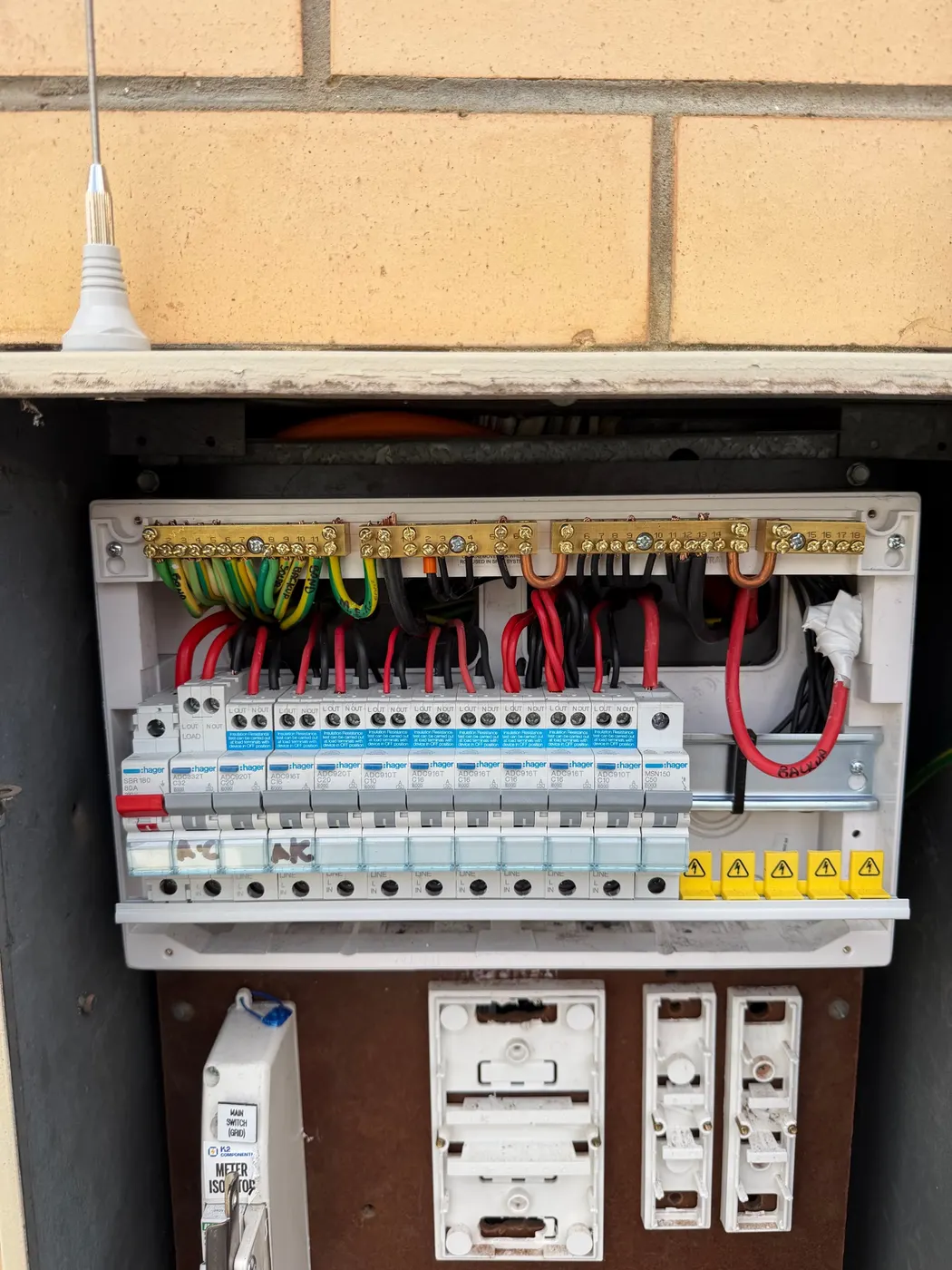
Every Circuit on Its Own RCBO in Ridgehaven
Shared safety switches replaced with one RCBO per circuit, so a fault on the oven trips the oven rather than half the house.
Read the job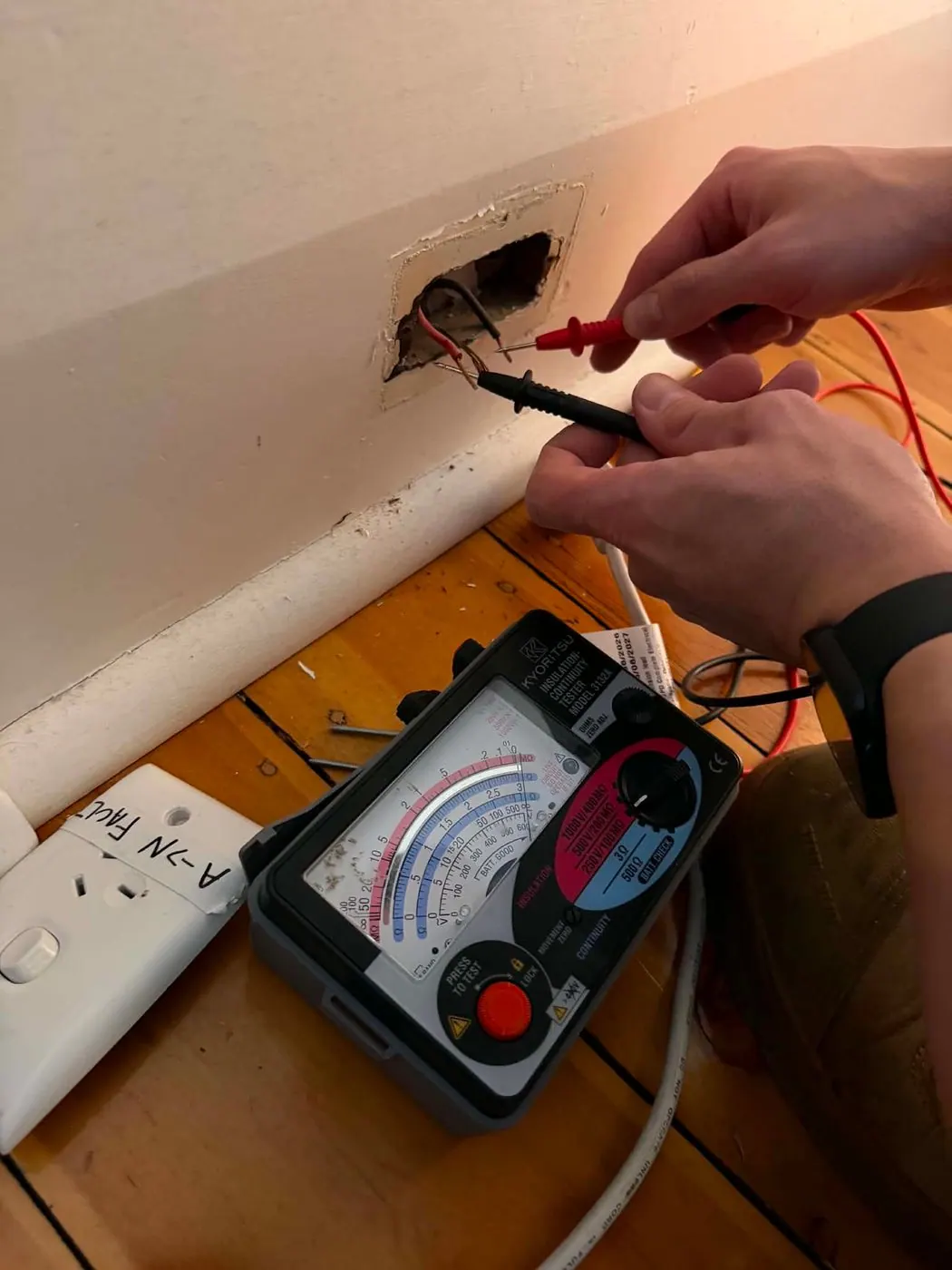
Why Old Cable Trips Safety Switches
Perished insulation leaks current to earth. The safety switch isn't faulty, it's reporting a cable that has run out of life.
Read the job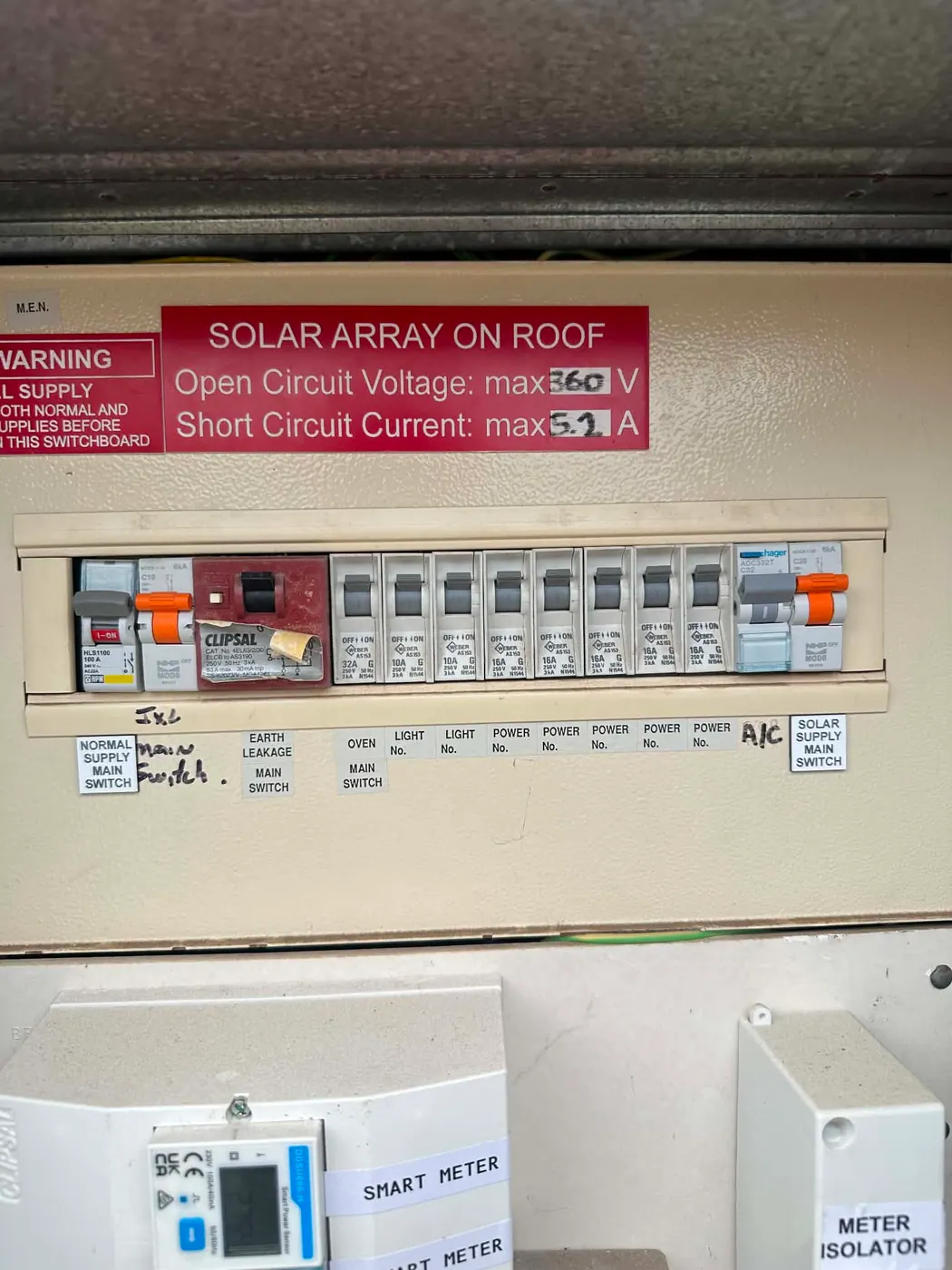
When One Safety Switch Is Covering Your Whole House
A single earth leakage main switch means one fault anywhere takes out every circuit, including the fridge.
Read the jobGet a Free Quote
Owner-operated, licensed and insured. Justin quotes the job, does the job, and answers the phone afterwards.