Why This Matters to You
A wall-mounted TV with a cable hanging down to a powerpoint undoes the whole point of mounting it on the wall. So does a media unit with a visible HDMI lead looping up from a console.
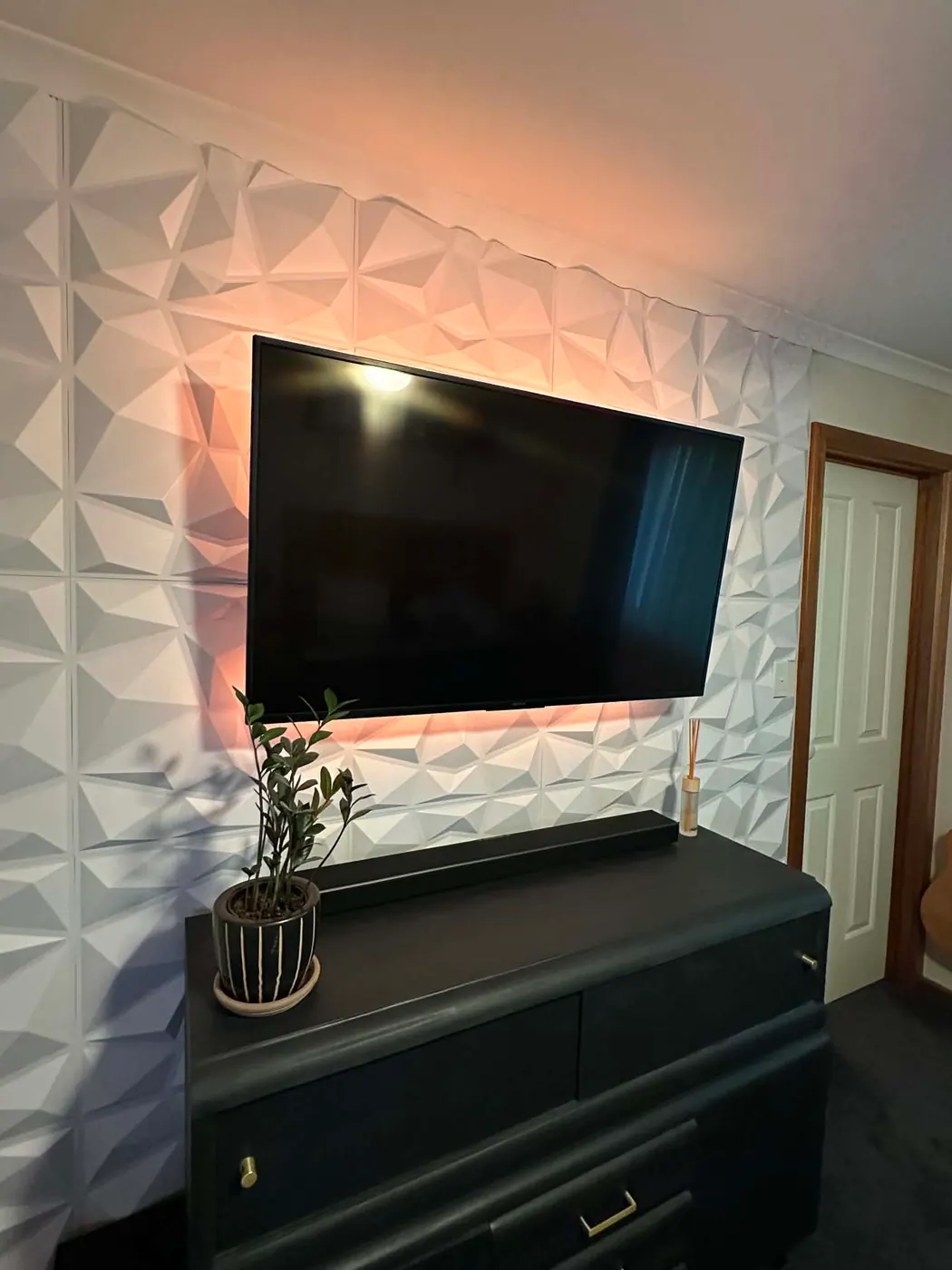
This was part of a larger renovation in Hope Valley to modernise the lighting through the house. The interesting part is the master bedroom, where the TV is mounted with the power, the HDMI and the antenna all inside the wall.
What "No Visible Cables" Actually Requires
Three separate things had to be in the wall behind that screen, and each is a different type of cabling.
A powerpoint behind the TV, positioned so the plug and any adaptor sit hidden behind the screen rather than below it. Two HDMI cables, so a console or media device somewhere else in the room connects without a lead crossing the wall. And a new TV antenna point, because the old outlet wasn't where the TV was going.
Two HDMI runs rather than one is deliberate. The cable itself is cheap and the labour of getting it inside a finished wall isn't, so the second one costs very little now and saves opening the wall later when a device changes. If you're doing this, run a spare.
All of it has to land at the right height for where the bracket goes, which means the TV size and bracket need deciding before the cabling, not after.
Where the Downlights Went
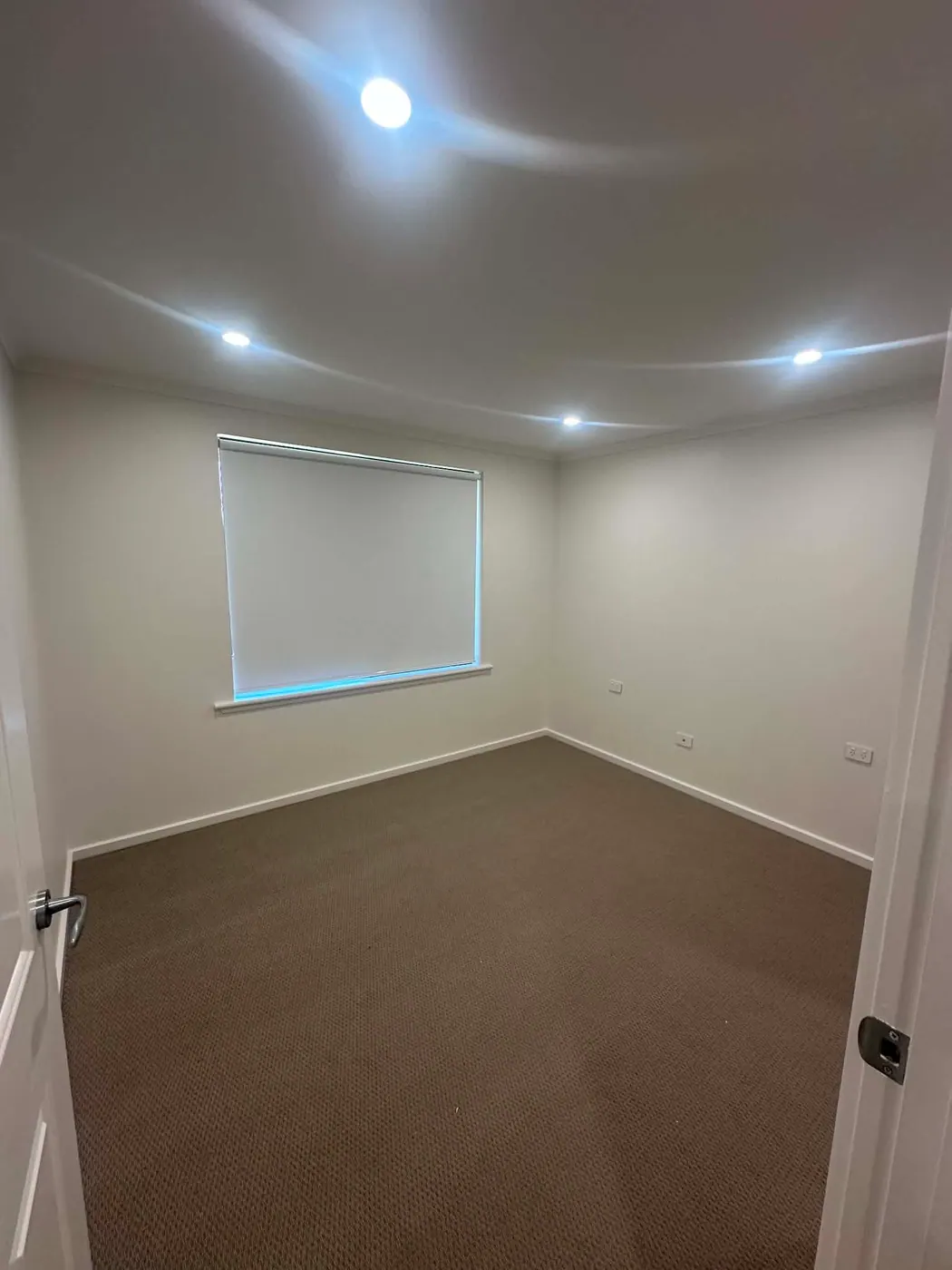
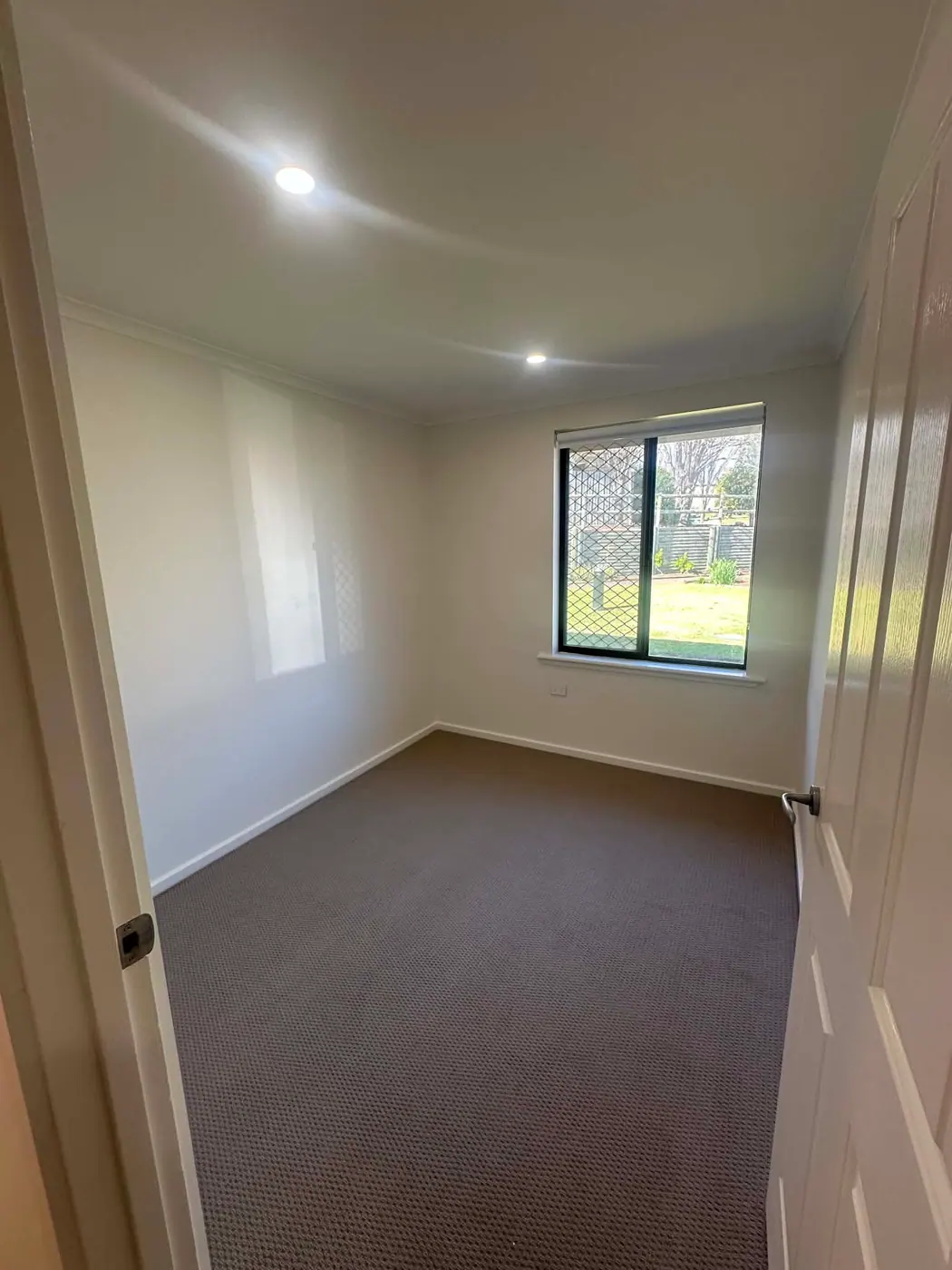
The rest of the job was LED downlights through the other rooms, and positioning matters more than people expect.
The instinct is to centre lights in a room. In a bedroom that puts a downlight directly above where you lie down, which is unpleasant every night. Setting them around the room instead lights the space evenly without anything shining into your face, and it also lights the wardrobe and the walkway rather than just the middle of the floor.
The other thing worth deciding once, for the whole house, is colour temperature. Mixing warm white in one room with cool white in the next is the kind of thing you can't unsee afterwards, and it reads as a mistake rather than a choice. Pick one and use it everywhere, and if you want a different feel in a particular room, do it with dimming rather than a different globe colour.
Why This Is Renovation Work, Not Afterwards Work
Everything described here went in before the plasterer. Once the walls are closed and painted, running a new HDMI or moving a powerpoint means cutting, patching and repainting, and it never quite matches.
So the media wall is a conversation to have at the same time as the lighting plan, even if the TV itself isn't being bought for another six months. Deciding the wall, the height and roughly the screen size early costs nothing. Deciding it late costs a plasterer.
If you're planning a renovation, our renovation electrician page covers how the electrical sequences with the other trades, and there's more on what we do locally on our Hope Valley electrician page.